Air Quality & Burning Season
Where to Escape the Smoke: Burning-Season Getaways
Cleaner-air destinations to escape Chiang Mai's peak smoke — coastal and island options, higher-altitude escapes, timing and budget notes.
5 min read
The annual migration
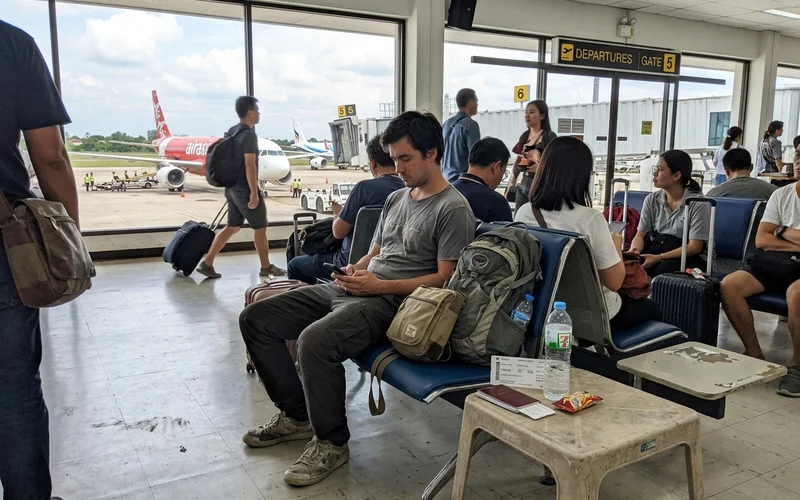
A meaningful share of Chiang Mai’s foreign residents leave the city for part of the burning season, and treat it as a fixed annual cost rather than an emergency. Once you accept that framing, it becomes a planning exercise rather than a source of dread.
This guide covers where to go. For the season itself — the timeline, the causes and how to mitigate it if you stay — see our burning season hub. For the harder question of whether to go at all, see should you leave during burning season.
Southern Thailand: the reliable answer
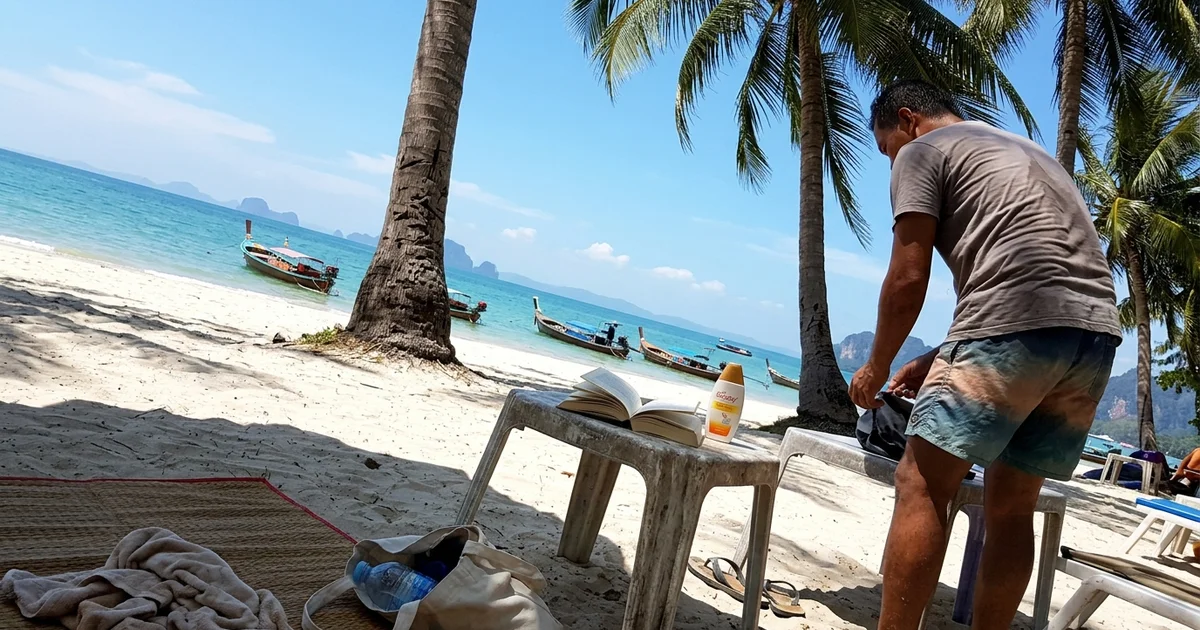
The Andaman coast, the Gulf islands and the southern mainland sit well outside the regional burning belt and get consistent coastal wind. Air quality there in March is typically good and sometimes excellent, on the same days Chiang Mai is in the red.
Practical considerations:
- March is high season in the south. Prices are up and popular spots are busy. Book early.
- The two coasts have opposite weather patterns. Check which side is in its dry season for your dates.
- Long-stay rates exist. Monthly guesthouse and apartment rates on the islands are far below nightly rates and comparable to Chiang Mai’s.
- Internet varies. Fine on the developed islands, patchier on the quieter ones. Test before committing if you work remotely.
Regional options
Vietnam. Da Nang, Hoi An and Nha Trang are popular with Chiang Mai residents in March — coastal air, good food, established remote-work infrastructure, and short flights.
Malaysia. Penang and Kuala Lumpur are close, cheap to reach and generally clear at that time of year. Penang in particular has become a common Chiang Mai escape.
Bali and Indonesia. Further and more expensive, but a well-worn route for people taking the full six weeks.
Cambodia and Laos. Closer, but check current conditions — parts of Laos are inside the same burning belt and can be as bad as northern Thailand.

The altitude idea
A recurring suggestion is to go up rather than away — Doi Inthanon, Pai, the hill areas around Mae Rim or further north.
Be sceptical. Smoke is regional, not just local to the city, and some of the worst readings in the country occur in northern hill towns surrounded by burning. Higher ground can sit above the inversion on a given morning and be worse by afternoon.
If you want to try it, check the actual sensor readings for the specific place before you book, not the general assumption that mountains mean clean air.
Budgeting for it
Rough figures for a four-week escape:
| Item | Typical range (THB) |
|---|---|
| Return flights, domestic | 3,000–8,000 |
| Return flights, regional international | 8,000–20,000 |
| Accommodation, monthly rate | 15,000–35,000 |
| Living costs, above your normal | 5,000–15,000 |
| Chiang Mai rent still payable | Your usual |
| Total | ~30,000–70,000 |
The rent you keep paying at home is the line people forget. Amortised across the year it’s roughly 3,000–6,000 THB a month, which is worth including in any honest cost-of-living calculation for Chiang Mai.
Timing it
Watch the readings from mid-February. The season builds rather than starts, and there’s usually a week or two of warning before the sustained bad stretch.
Book flexible where you can. The end of the season is set by the arrival of the rains, and that date moves by weeks between years. Coming back a fortnight early into a still-hazy city is a preventable disappointment.