Living in Chiang Mai
Accommodation & Renting
Finding, viewing and securing a rental in Chiang Mai.

Living in Chiang Mai
An honest look at what life in Chiang Mai costs across different lifestyles — monthly budgets, rent ranges by neighbourhood, and how short-stay nomad costs compare to settled expat life.
In this section
Frugal, comfortable and premium monthly figures with the actual line items behind them, not a single misleading average.
What a studio, one-bed and house cost in Nimman, the Old City, Santitham, Hang Dong and the riverside.
Landlord electricity markups, visa runs, insurance, air purifier filters and the burning-season escape fund.
Why three months here costs more per month than three years here, and what changes once you stop paying the short-stay premium.
Cost-of-living figures for Chiang Mai are unusually unreliable, because the range is so wide. Someone in a 5,000 THB room in Santitham eating at the market and someone in a 35,000 THB Nimman condo with a car are both living in Chiang Mai, and neither number describes the other person’s life.
So instead of a single figure, this section works with bands. We publish three budget profiles — frugal, comfortable and premium — and show the line items underneath each one, so you can rebuild the number around your own habits rather than trusting an average.
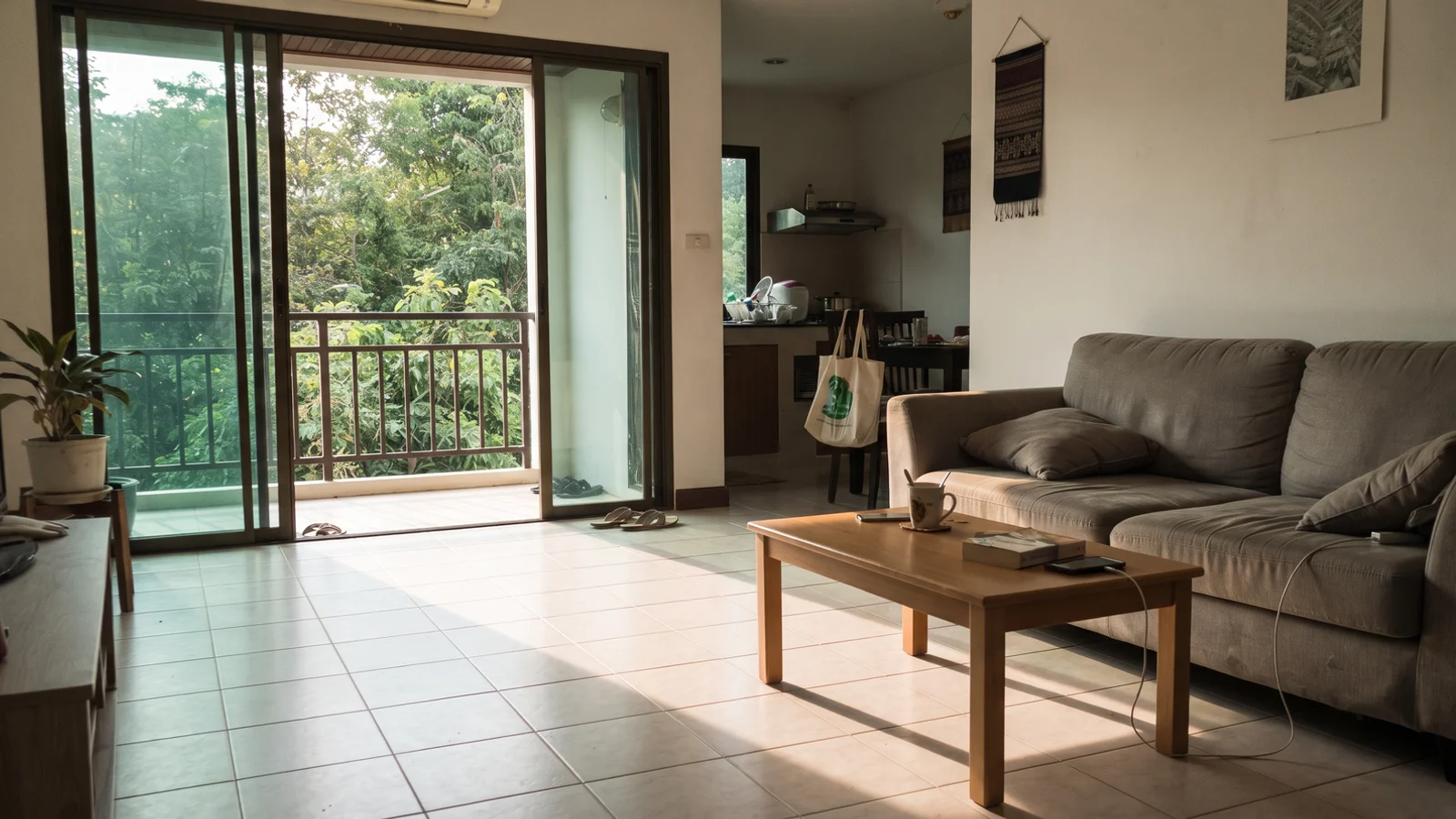
Housing is where Chiang Mai budgets diverge most sharply. The condo rental market runs from around 5,000 THB for a basic studio in an older building to 40,000 THB and up for a large new-build with a pool and a mountain view. Houses in the Hang Dong corridor sit between those extremes and buy you far more space for the money, at the cost of a commute.
Our rent-by-neighbourhood guide breaks this down area by area, because “Chiang Mai rent” as a single figure is close to meaningless.
The published cost of living index numbers miss the things that actually catch people out:
| Cost | Typical range | Why it surprises people |
|---|---|---|
| Landlord electricity markup | 6–8 THB/unit vs ~4–5 government | Adds thousands of baht in hot season |
| Air purifier + filters | 5,000–15,000 THB up front | Filters need replacing annually |
| Visa runs / extensions | 2,000–20,000 THB a year | Depends entirely on which route you take |
| Health insurance | 25,000–120,000 THB a year | Rises sharply with age |
| Burning-season escape | 15,000–50,000 THB | Often not budgeted at all in year one |
The utilities surcharge point is worth repeating: it’s the single most common avoidable cost we see. Ask the per-unit rate before you sign anything.
There’s a persistent gap between what a three-month visitor spends and what a three-year resident spends, and it isn’t mostly about discipline. Short stays pay a premium for everything: monthly rather than yearly leases, serviced rather than bare condos, coworking day passes rather than a home desk, rented rather than owned scooters.
Settle in, sign a 12-month lease, buy a second-hand scooter, and the same lifestyle typically drops by a third. Our long-stay vs nomad spending guide puts the two columns side by side so you can see exactly where the difference sits.
Guides
Every evergreen guide we've published on cost of living in Chiang Mai.
Explainer
Realistic Chiang Mai monthly budgets across frugal, comfortable and premium tiers, with a category breakdown and dual-pricing notes.
6 min read
Comparison
How short-stay nomad costs differ from settled expat life in Chiang Mai — lease maths, setup costs and hidden expenses.
5 min read
Scenario
Compare rent across Chiang Mai's key areas — Nimman, Old City, Santitham and more — plus condo vs house and what drives price.
6 min read
Free tool
Estimate your realistic monthly budget for living in Chiang Mai based on your lifestyle, housing choice and transport.
Use the calculatorGot questions?
Keep exploring
Living in Chiang Mai
Finding, viewing and securing a rental in Chiang Mai.

Living in Chiang Mai
Everything you need to handle visas and immigration in Chiang Mai.
Living in Chiang Mai
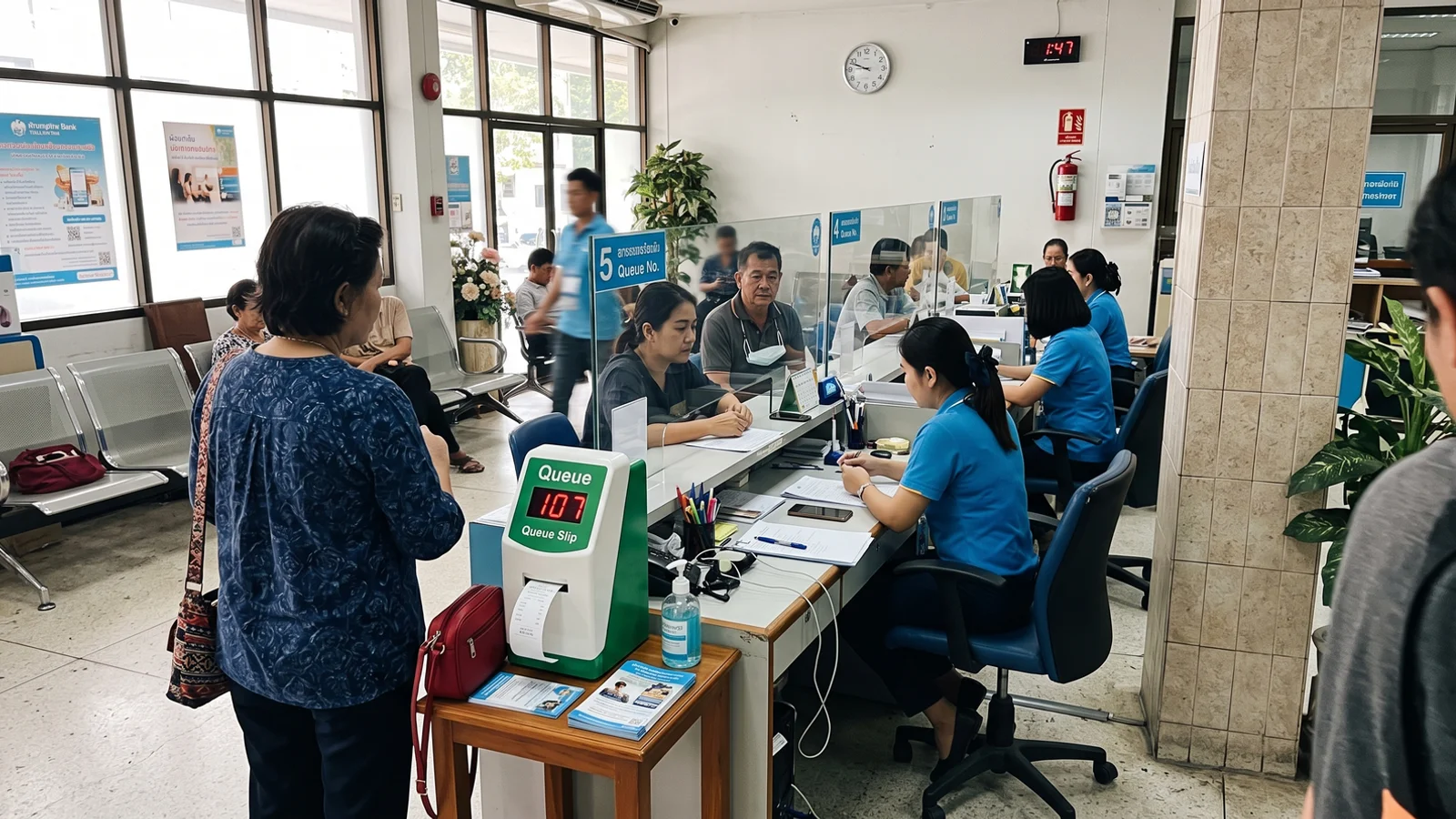
Opening accounts and moving money as a foreigner in Chiang Mai.
Newsletter
Twice a month: new openings, events, changes worth knowing about, and our latest guides. No filler.

The Chiang Mai Brief
Twice a month we send the openings, changes and guides worth knowing about. It takes two minutes to read.