
Living in Chiang Mai
Cost of Living
Realistic budgets and spending breakdowns for living in Chiang Mai.

Living in Chiang Mai
A practical hub for handling visas and immigration procedures in Chiang Mai — from the Destination Thailand Visa (DTV) and retirement visas to 90-day reporting, TM30 notifications and dealing with the local immigration office.
In this section
Plain comparisons of the Destination Thailand Visa, retirement routes and education visas, with the trade-offs each one carries.
How 90-day reporting, TM30 residence notification and re-entry permits work at the Chiang Mai Immigration Office specifically.
When a visa agent saves you a wasted morning and when you are simply paying someone to stand in a queue you could join.
Bank letters, Certificates of Residency, lease copies and photos — what to prepare before you go, not after you're turned away.
Thai immigration rules are national, but the way you actually experience them is intensely local. The queue system at Chiang Mai Immigration, which counter handles what, whether the drive-thru 90-day window is open this month, which bank branch will write you a letter without a fuss — none of that is in any official document. It’s the sort of thing you learn from someone who did it last month.
That’s what this section is for. We cover the main long-stay routes into Chiang Mai, the recurring paperwork you’ll deal with once you’re here, and the specific local details that decide whether your morning takes twenty minutes or four hours.
If you’re still deciding how to stay long term, read the comparison of the Destination Thailand Visa (DTV), the Non-Immigrant O / OA retirement visa and the education route first. These three cover the majority of long-stay foreigners in Chiang Mai, and the differences that matter are financial thresholds, whether you can apply in-country, and how much insurance paperwork is attached.
If you’ve already arrived and just need to keep things current, jump straight to the TM47 90-day report and TM30 residence notification guides.
Once you have a long-stay visa, immigration becomes a rhythm rather than an event:
A Certificate of Residency (COR) from immigration is the quiet workhorse of expat life here — you’ll want one for a driving licence, a car purchase and often a bank account. It’s worth getting one before you need it.
Chiang Mai has one of the busiest immigration offices outside Bangkok, which cuts both ways. The staff process a very high volume of foreigners and are used to the common cases, so a clean, well-prepared application usually moves quickly. But volume also means queues, and the popular services have their own unwritten timing rules — early is always better than late.
The Long-Term Resident (LTR) visa is worth a look if you’re a high earner or work for a foreign company, since it bundles a ten-year framework and a lighter reporting burden. It’s the exception rather than the rule, but it’s genuinely the best option for the people who qualify.
If you’re arriving on a visa exemption to test the city out first, that’s a sensible approach — just be clear that converting to a long-stay visa in-country is possible for some routes and not others, and the timing matters.
Guides
Every evergreen guide we've published on visas & immigration in Chiang Mai.
What to expect
A practical guide to Chiang Mai's immigration branches — locations and hours, queue tips, a documents checklist and common pitfalls.
5 min read
Explainer
What the DTV is, who qualifies, the remote-work proof you need, and how extensions work for Chiang Mai nomads.
6 min read
Comparison
Compare the main long-stay visa routes for Chiang Mai — DTV, retirement and education — by eligibility, cost, duration and who each suits.
7 min read
Step by step
A step-by-step TM47 90-day report walkthrough for Chiang Mai — drive-thru and walk-in options, online reporting, timing and what to bring.
5 min read
Do you qualify?
Retirement visa eligibility for Chiang Mai — age and financial thresholds, Non-O vs Non-OA, required documents and local steps.
6 min read
Step by step
Understand TM30 residence-notification rules in Chiang Mai — who files, landlord vs tenant duty, online filing and penalties.
5 min read
Decision guide
Decide between DIY and a Chiang Mai visa agent — when an agent is worth it, typical fees, red flags, and a DIY-confidence checklist.
5 min read
Got questions?
Keep exploring
Living in Chiang Mai
Realistic budgets and spending breakdowns for living in Chiang Mai.
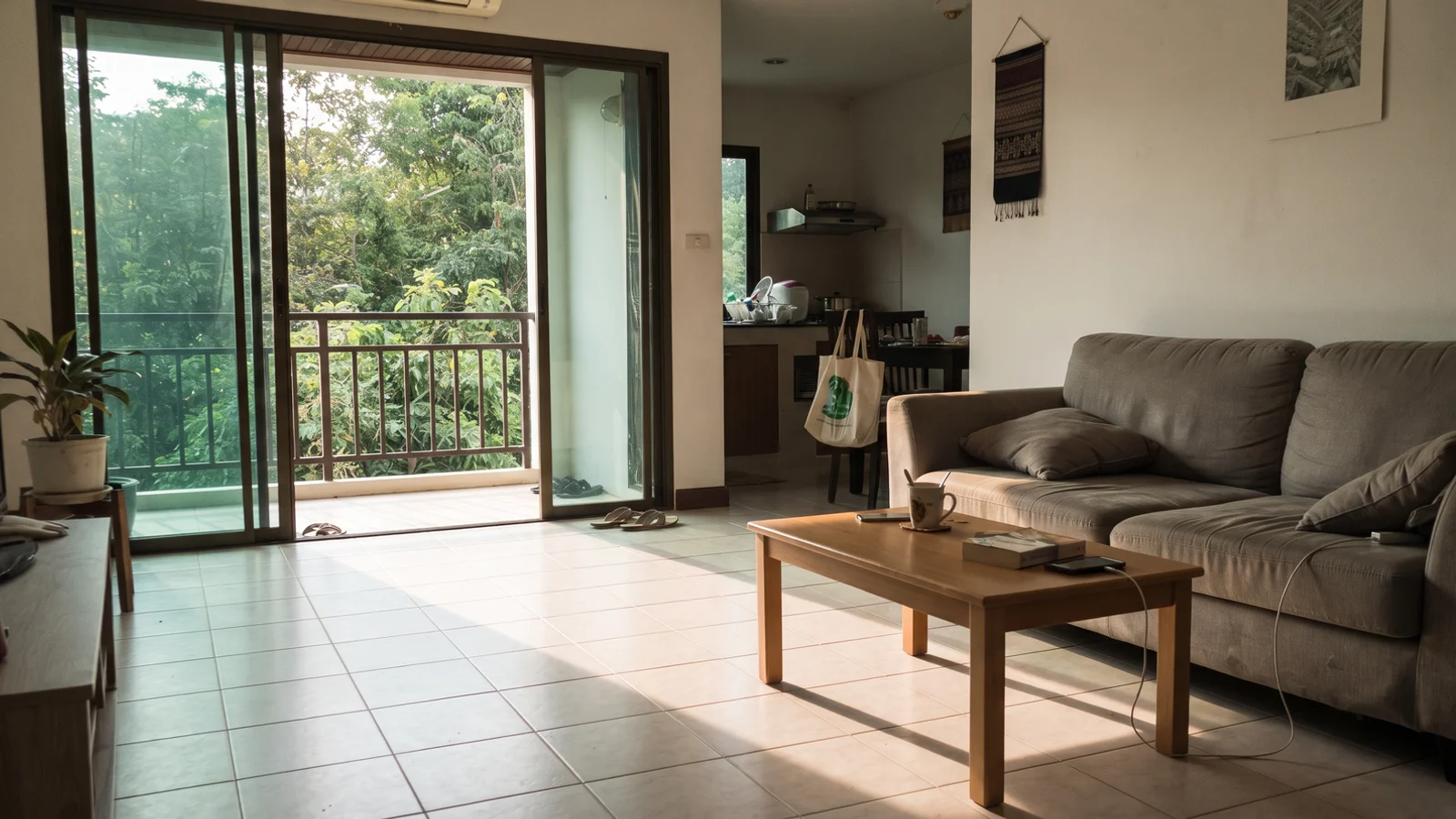
Living in Chiang Mai
Finding, viewing and securing a rental in Chiang Mai.

Living in Chiang Mai
Opening accounts and moving money as a foreigner in Chiang Mai.
Newsletter
Twice a month: new openings, events, changes worth knowing about, and our latest guides. No filler.

The Chiang Mai Brief
Twice a month we send the openings, changes and guides worth knowing about. It takes two minutes to read.