Neighbourhoods
Neighbourhood Guides
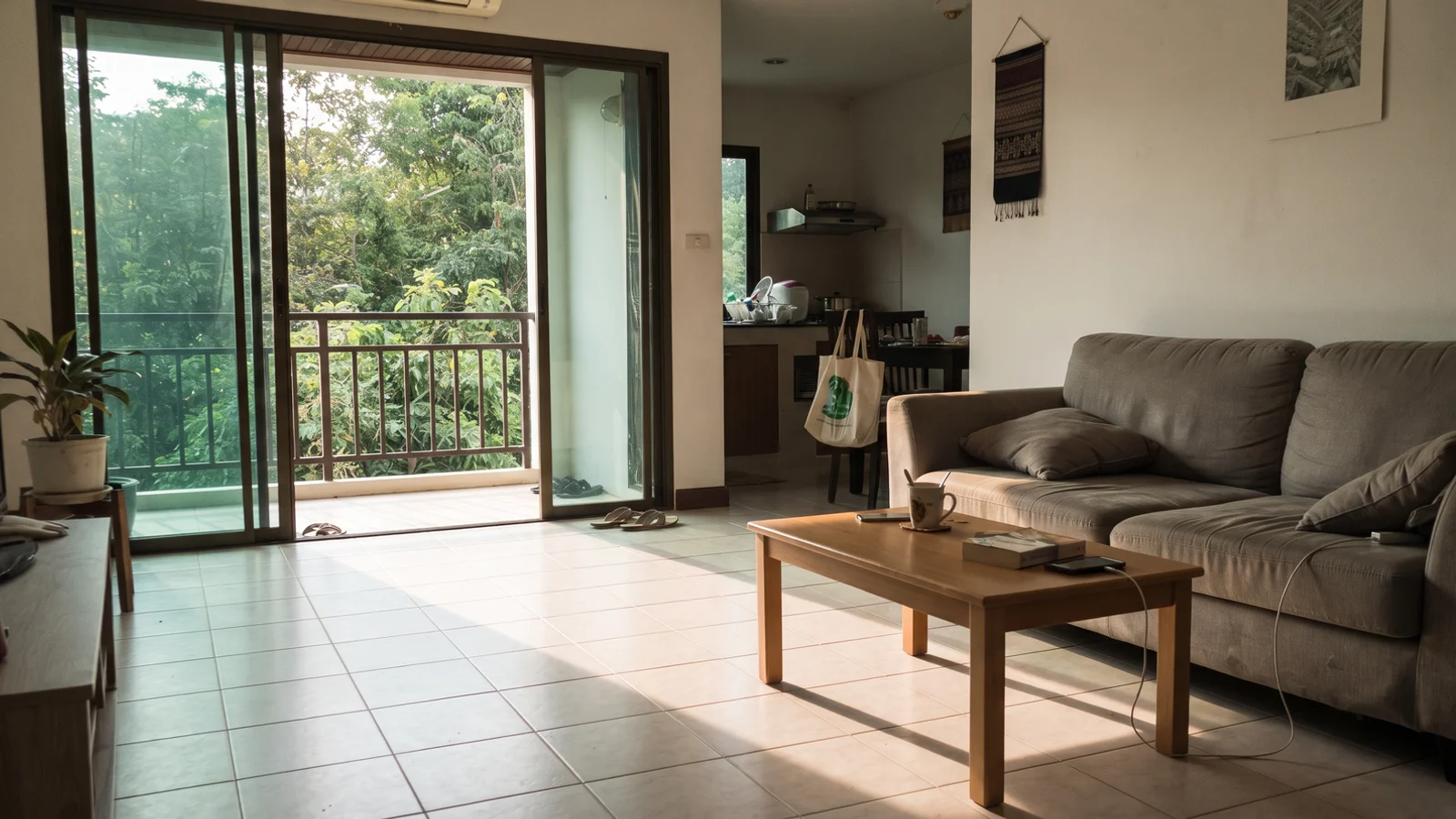
In-depth guides comparing Chiang Mai's core inner neighbourhoods.
Neighbourhoods
A reference for life outside the inner city — the southern Hang Dong / Nam Phrae corridor favoured by families and retirees, the northern Mae Rim valley and Samoeng Loop, and the emerging Chang Moi creative district.
In this section
Hang Dong and Nam Phrae — houses with gardens, international schools and the commute reality.
Mae Rim and the Samoeng Loop: cooler, greener, more rural, and what you give up for it.
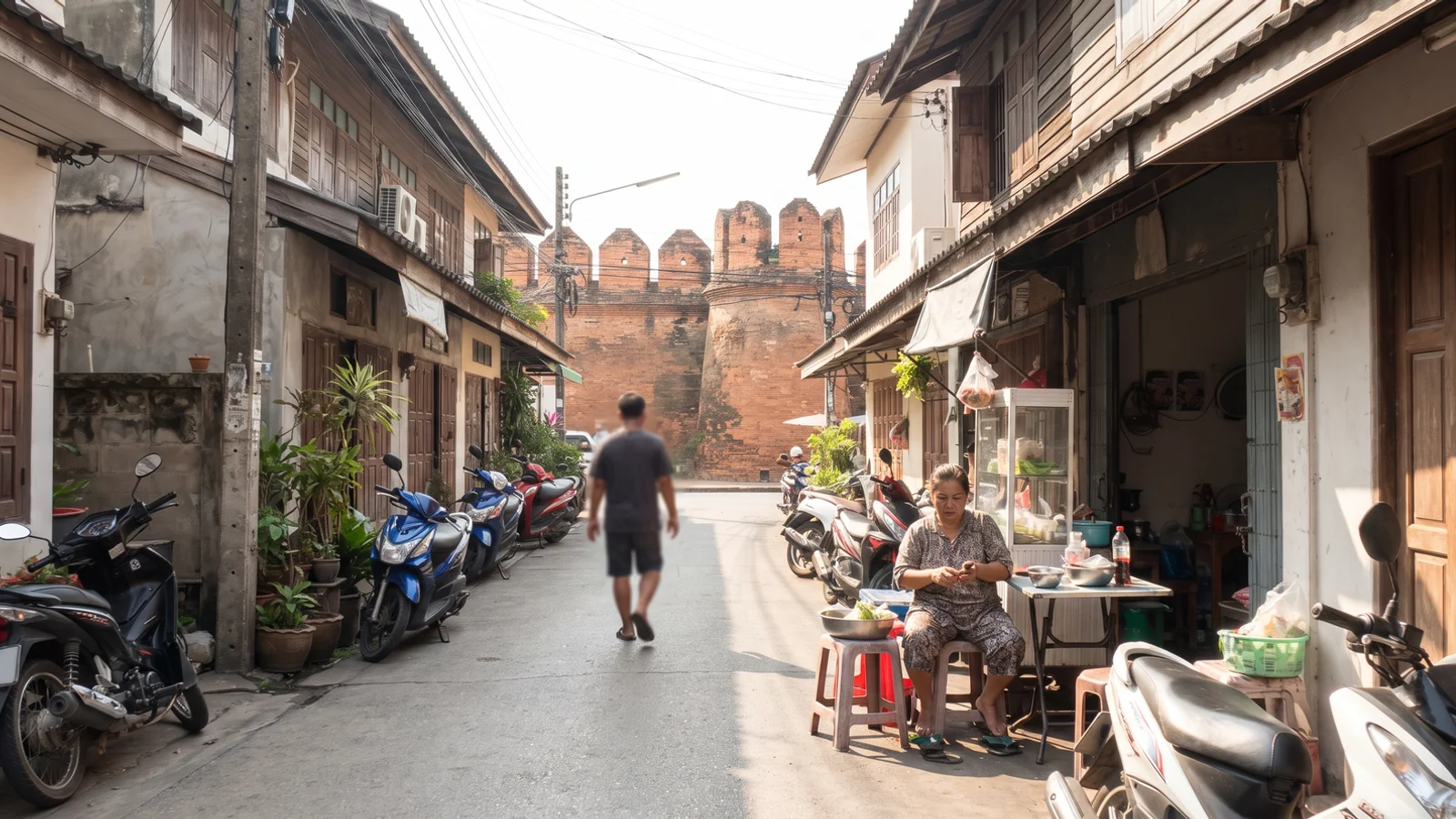
Chang Moi's shophouse conversions, galleries and slow gentrification just east of the Old City.
Car dependence, delivery coverage, school runs, air quality differences and what a house actually costs.
Plenty of people arrive in Chiang Mai expecting to live in a condo near Nimman and end up, two or three years later, in a house with a mango tree twenty minutes south of the city. It’s a common trajectory, and it’s worth understanding early.
The outer areas trade convenience for space. What you gain is square metres, gardens, quiet, and a monthly rent that buys far more house than the inner city can offer. What you give up is walkability, spontaneity and the ability to be at a good restaurant in four minutes.
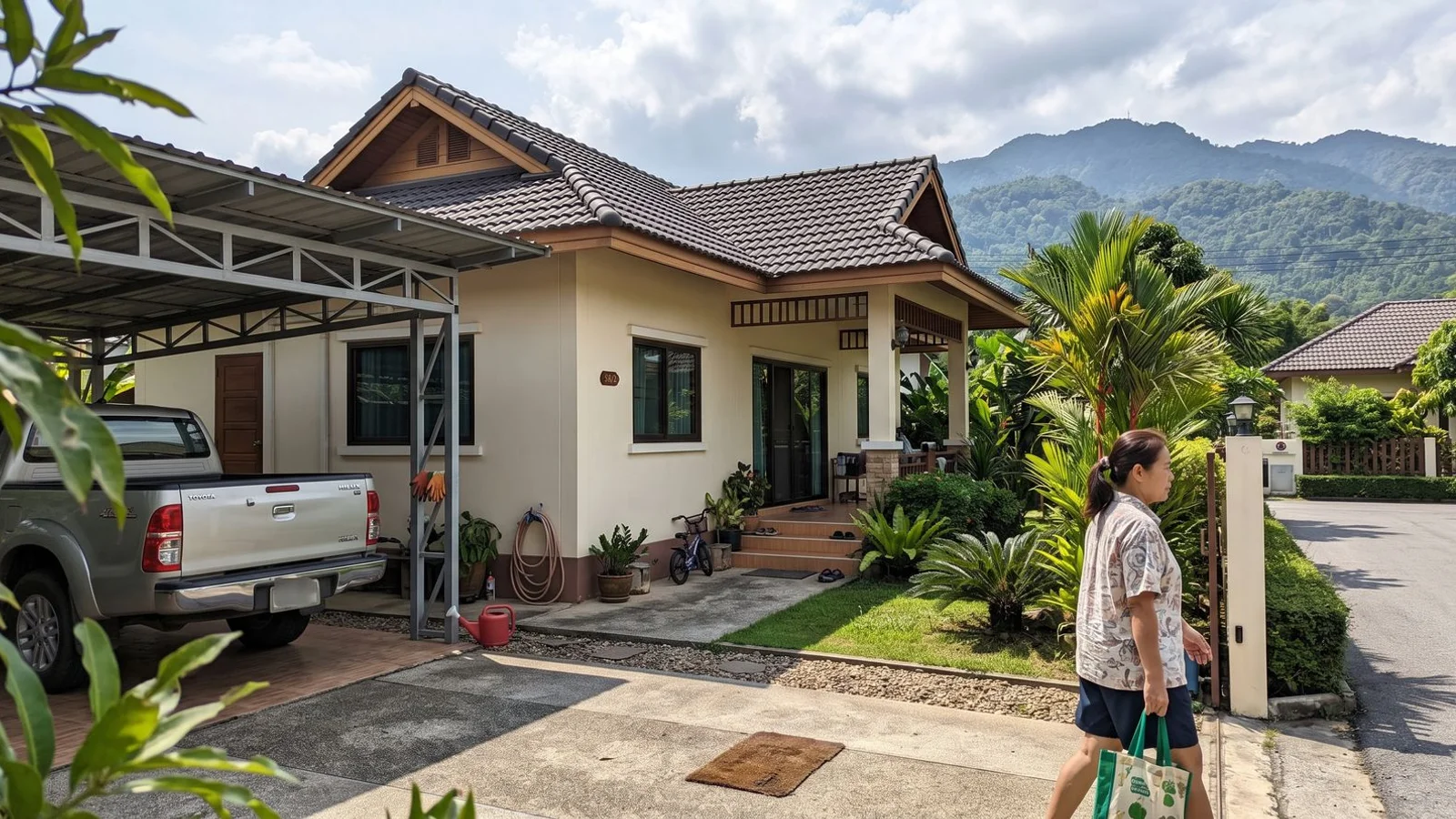
Hang Dong / Nam Phrae is the established expat family belt, running south-west from the city toward the hills. It’s the most developed of the outer areas: supermarkets, cafés, vets, garden centres and a critical mass of foreign residents.
The main draw is housing. Detached houses inside a moo baan (gated community), typically three bedrooms with a garden and a carport, rent for figures that would get you a mid-range condo in Nimman. The other draw is schooling — several of Chiang Mai’s international schools sit along this corridor, and the school run defines where many families live.
The trade-off is a 25–40 minute drive into the city depending on traffic and where exactly you are.
Mae Rim runs north of the city toward the hills, greener and noticeably cooler in the evenings. It’s more rural in character, with resorts, cafés with valley views, and a scattering of houses rather than dense development.
The Samoeng Loop — the mountain road circuit that starts near Mae Rim — is the weekend ride most Chiang Mai residents do at least once, and living near its start has an obvious appeal if you ride.
This is the option for people who want landscape over convenience. Delivery apps cover less of it, shops are further apart, and you will be driving for most things.
Chang Moi isn’t really suburban — it sits immediately east of the Old City, between the moat and the river. We include it here because it functions differently from the established inner neighbourhoods: older shophouses being converted into galleries, small studios, independent cafés and workshops.
It’s the most interesting area in the city for anyone doing creative work, and rents on the older stock are still reasonable. Expect building quirks, occasional noise from workshops, and a neighbourhood that’s still changing.
The honest test is this: how often do you actually want to be in the middle of the city? If the answer is most evenings, stay inside. If it’s twice a week, the outer areas will give you a better life for less money.
Guides
Every evergreen guide we've published on suburban & outer areas in Chiang Mai.
Explainer
A guide to Chang Moi, Chiang Mai's emerging creative district — artisan workshops, independent cafés, and its spot between the Old City and Warorot.
5 min read
Scenario
A guide to Chiang Mai's southern suburban corridor for families and retirees — gated moo baans, international schools, houses and the commute.
6 min read
Scenario
A guide to Chiang Mai's northern Mae Rim valley — organic farms, resorts, the scenic Samoeng Loop drive, and who nature-oriented living suits.
5 min read
Got questions?
Keep exploring
Newsletter
Twice a month: new openings, events, changes worth knowing about, and our latest guides. No filler.
The Chiang Mai Brief
Twice a month we send the openings, changes and guides worth knowing about. It takes two minutes to read.