Air Quality & Burning Season
Best Air Purifiers for Chiang Mai: A HEPA Buyer Guide
Choose an air purifier for Chiang Mai's smoke — HEPA H13/H14 and CADR explained, Xiaomi, Coway, Levoit and Blueair compared, and room sizing.
7 min read
The two numbers that matter
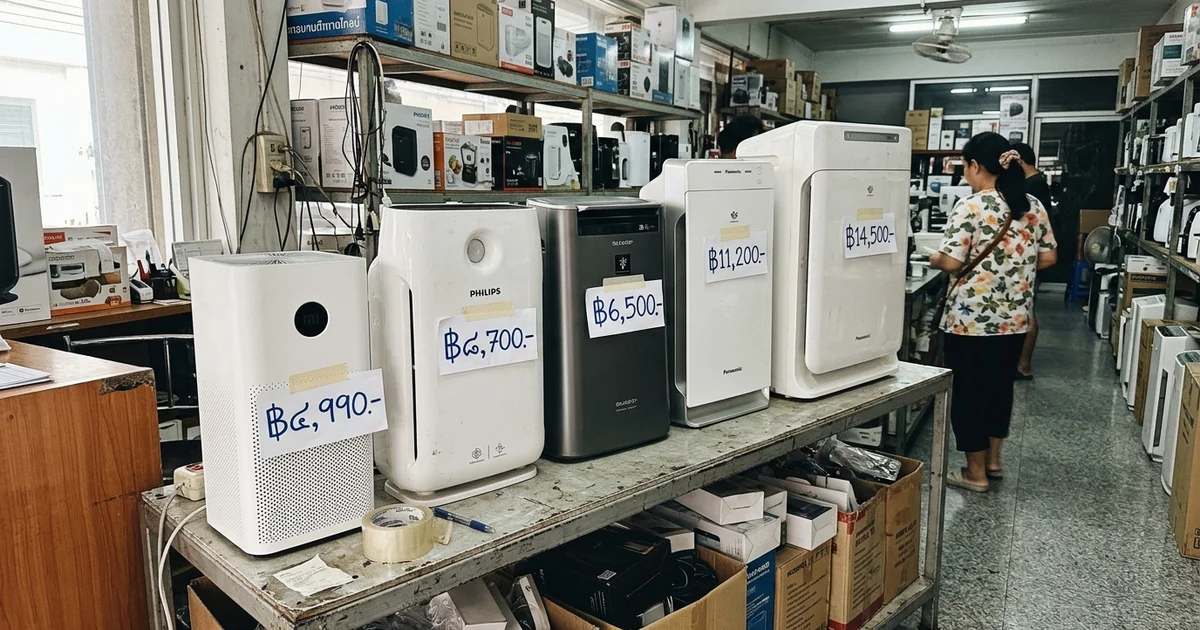
Ignore the marketing. When buying a purifier for Chiang Mai, two specifications decide whether it works.
True HEPA rating. You want H13 or H14. These filter the fine particulate matter that makes up smoke. “HEPA-type”, “HEPA-like” and vaguer claims are not the same thing.
CADR. Clean Air Delivery Rate, in cubic metres per hour. This is how much clean air the unit actually produces. It’s the number that determines whether your room comes down to a low reading or hovers stubbornly in the middle.
Everything else — app control, ioniser, UV, aroma diffuser — is secondary. This guide sits under our burning season hub.
Sizing it properly
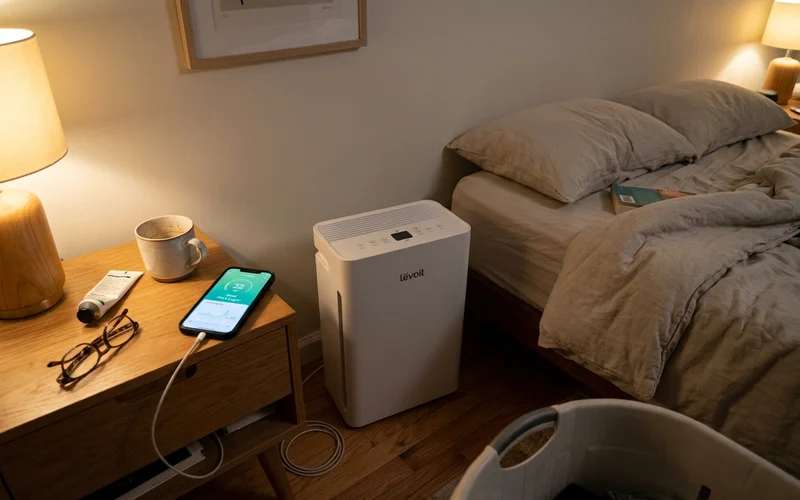
The most common mistake in Chiang Mai is buying a small unit for a large room because it was cheap, then concluding purifiers don’t work.
A practical rule: CADR (m³/h) ≥ 5 × floor area (m²), and preferably higher for heavy smoke.
| Room | Floor area | Minimum CADR | Comfortable CADR |
|---|---|---|---|
| Small bedroom | 12–16 m² | 80 m³/h | 150+ m³/h |
| Standard bedroom | 18–24 m² | 120 m³/h | 250+ m³/h |
| Studio / open plan | 30–40 m² | 200 m³/h | 350+ m³/h |
| Living room | 40 m²+ | 250 m³/h | 450+ m³/h |
Two smaller units in two rooms usually beat one large unit trying to serve an open-plan space, because sealed rooms are easier to clean than connected ones.
The brands you’ll actually see
Xiaomi. The value leader in Thailand. Good CADR for the price, True HEPA filters, widely available, cheap replacement filters. The default recommendation for most people and most rooms.
Levoit. Similar positioning, good CADR-per-baht, generally quiet. Widely available through the usual online retailers.
Coway. Mid-to-premium. Better build quality, well-regarded filtration, quieter at equivalent airflow. Filters cost more.
Blueair. Premium. Excellent performance and genuinely quiet, at a price that only makes sense if you’re running it eight months a year or have a specific health need.
Local Thai brands. Variable. Some are genuinely fine; some make HEPA claims that don’t hold up. Check for a stated H13 rating and a published CADR figure — if a product page won’t give you both, move on.
Filter costs
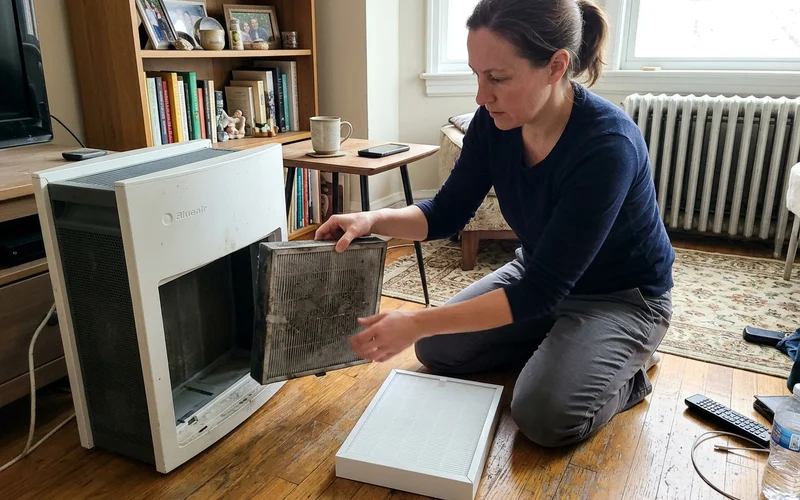
This is the line people forget when comparing purchase prices.
| Unit tier | Purchase (THB) | Filter (THB) | Filters per season |
|---|---|---|---|
| Budget (Xiaomi/Levoit) | 4,000–8,000 | 600–1,200 | 1–2 |
| Mid (Coway) | 10,000–18,000 | 1,500–3,000 | 1–2 |
| Premium (Blueair) | 18,000–35,000 | 2,500–5,000 | 1–2 |
Over three years, a budget unit with two filters a season may cost less than half of a premium one — and clean the air to a similar standard if it’s correctly sized.
Also check that replacement filters are actually available in Thailand for the model you buy. An imported unit with unobtainable filters is a very expensive fan.
Where to buy
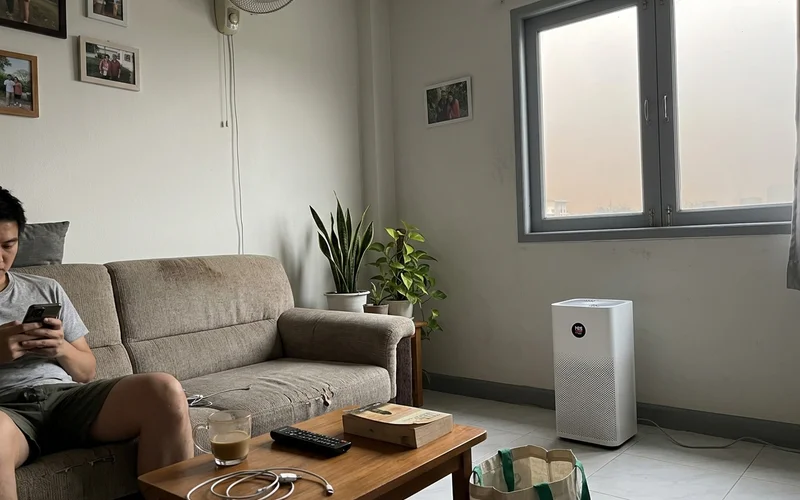
Homepro, Power Buy and the major electronics retailers stock the mainstream brands, and Lazada and Shopee typically have better prices with official brand stores. Buy from an official store rather than a marketplace reseller — counterfeit filters are a real problem.
Buy before February. Prices rise and stock thins as soon as the first bad readings appear, which is exactly when everyone decides they need one.
Getting the most from it
- Seal the room first. See our guide to sealing your room — it multiplies the effectiveness of whatever unit you buy.
- Run it continuously during the season, at a moderate setting, rather than intermittently on high.
- Keep the door shut.
- Measure the result with a PM2.5 monitor. If the room doesn’t come down below about 15 µg/m³ overnight, the unit is undersized or the room is leaking.
- Vacuum the pre-filter monthly. It doubles the life of the expensive HEPA layer.