Suburban & Outer Areas
Mae Rim & the Samoeng Loop Guide
A guide to Chiang Mai's northern Mae Rim valley — organic farms, resorts, the scenic Samoeng Loop drive, and who nature-oriented living suits.
5 min read
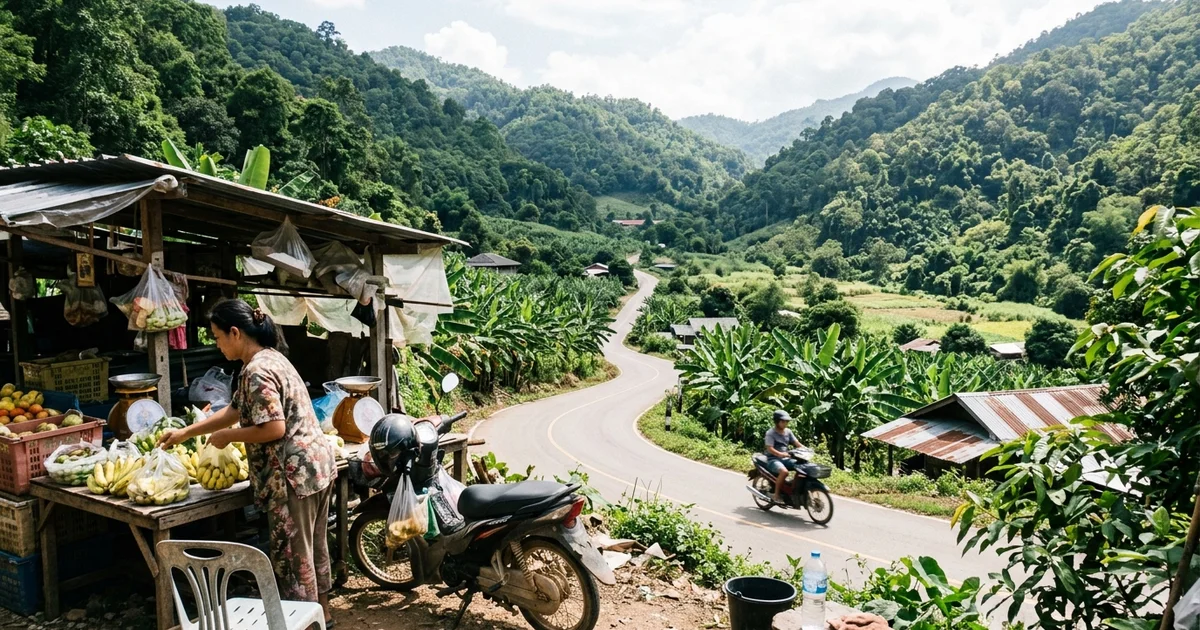
North into the hills
Mae Rim runs north from Chiang Mai toward the mountains, and the character changes within twenty minutes of leaving the city. Rice fields give way to forested hills, the air is cooler in the evenings, and the density drops off sharply.
It’s the destination for people who came to northern Thailand for the landscape rather than the city. This guide sits under our outer areas hub.
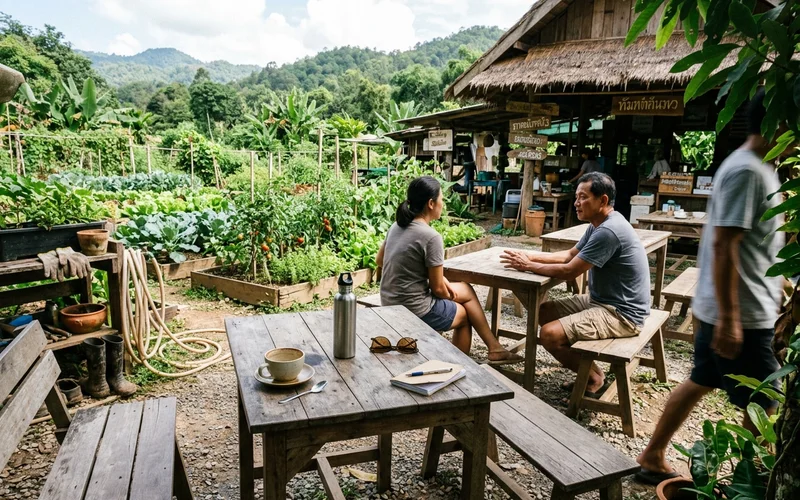
What’s out there
Resorts and retreats. Mae Rim has a concentration of resorts, spas, yoga retreats and wellness places, taking advantage of the setting and the cooler air.
Organic farms and farm cafés. The valley has a genuine small-scale organic farming scene, and a lot of it is visitable — farm shops, café-restaurants attached to growing operations, and weekend markets.
Attractions. Elephant sanctuaries, botanic gardens, waterfalls and a scattering of visitor attractions of varying quality. Some are excellent; some are the kind of place that puts animals in costumes. Choose carefully.
Housing. A mix of Thai village housing, individual foreign-built houses on land, and a smaller number of gated developments than you find in the south — for which see our Hang Dong and Nam Phrae living guide.
The Samoeng Loop
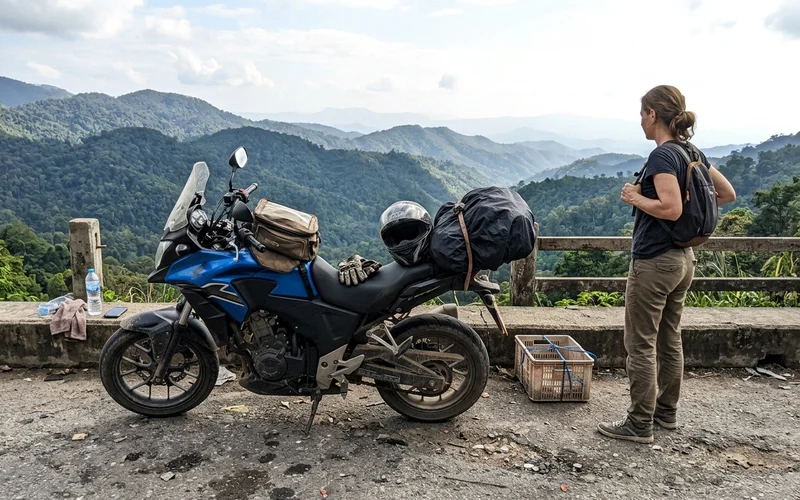
The Samoeng Loop is the classic northern Thailand road circuit, and one of the genuine pleasures of living in Chiang Mai.
Roughly 100 kilometres, starting from Mae Rim, climbing through the hills to Samoeng and returning via Hang Dong. It takes three to five hours at a relaxed pace with stops.
What’s along it:
- Mountain viewpoints with real elevation and layered ridgelines
- Roadside cafés with valley views, several of them very good
- Waterfalls and small parks
- Hill villages and agricultural terraces
Practical notes: the road is well surfaced but genuinely winding, with steep sections. It’s excellent on a bigger motorbike, fine on a decent scooter for a confident rider, and comfortable by car. Avoid it in heavy rain, and don’t attempt it as your first ever ride in Thailand.
For the wider set of trips out of the city, see our day trips and nature hub.
Living in Mae Rim
| Mae Rim | |
|---|---|
| Studio / small house | 5,000–10,000 THB |
| Family house | 15,000–40,000 THB |
| Distance to city | 20–40 minutes |
| Transport | Car essential; scooter for short trips |
| Internet | Fibre available in most developed areas; verify per property |
| Delivery apps | Patchy coverage further out |
| Climate | Noticeably cooler evenings than the valley floor |
Air quality: parts of Mae Rim sit slightly above the valley floor and occasionally above the inversion layer, which can mean clearer mornings during burning season. Don’t count on it — the smoke is regional and higher ground is often just as bad by afternoon.
Honest pros and cons
Pros
- Genuine landscape on your doorstep
- Cooler evenings and more space
- Cheaper houses with land
- The Samoeng Loop and hill roads for weekends
- Strong organic food and farm scene
Cons
- Car dependence, absolutely
- Long drives for anything the city offers
- Thinner delivery and service coverage
- Rural infrastructure — power cuts and water issues are more common
- Isolating if you don’t drive or don’t like solitude
Who it suits
People who ride or drive for pleasure, anyone who wants a garden and space, retirees who don’t need city convenience, and those for whom the mountains were the point of moving to northern Thailand.
Less suitable for anyone who wants to walk to dinner, for people without a vehicle, and for anyone whose work or social life is anchored in the city centre.