Banking & Money
Sending & Receiving Money in Chiang Mai
The cheapest, fastest ways to move money in and out of Chiang Mai — Wise vs SWIFT, fees and timing, receiving foreign income and ATM notes.
5 min read
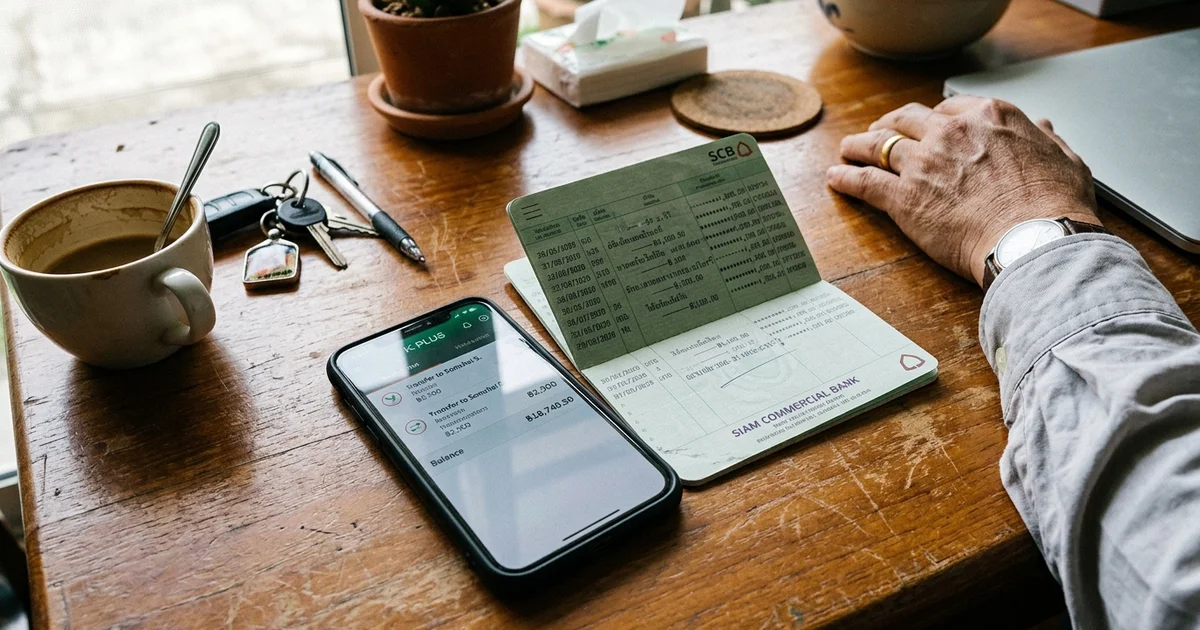
The two systems
Moving money into Thailand splits into two worlds that behave very differently.
Transfer services — Wise being the dominant one — give you a near-market exchange rate, a transparent fee, and delivery usually within a day. For everyday transfers this is almost always the better option.
Bank SWIFT transfers are slower and more expensive but produce a formal, coded record showing that funds arrived from overseas. That record matters for some visa applications and for property purchases.
Knowing which you need for a given transfer is the whole skill. This guide sits under our banking hub; if you don’t have a Thai account yet, start with opening one.
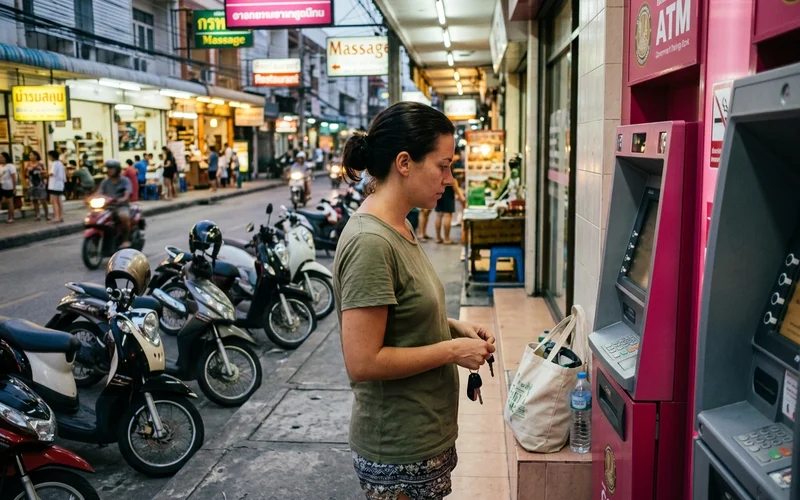
Wise versus SWIFT
| Transfer service (Wise) | Bank SWIFT | |
|---|---|---|
| Exchange rate | Near mid-market | Bank’s rate, with a margin |
| Fee | Low, transparent, percentage-based | Fixed fee plus correspondent charges |
| Speed | Hours to one day | Two to five working days |
| Documentation | Standard receipt | Formal coded record, FET/credit advice available |
| Best for | Regular living expenses, most transfers | Visa fund evidence, property, very large sums |
For a typical monthly transfer of living expenses, the transfer service will save you a meaningful percentage. On a 100,000 THB transfer, the difference between a good rate and a bank rate is often several thousand baht.
When SWIFT is worth it
Three situations:
- Retirement visa funds. Immigration may want evidence that the 800,000 THB originated abroad. A coded international transfer creates that evidence cleanly.
- Property purchase. Foreign exchange documentation is a formal requirement for condo purchases by foreigners.
- Very large amounts. Above certain thresholds the fixed-fee structure of a bank transfer can beat a percentage-based service.
If any of these apply, talk to your Thai bank about the correct coding before sending. Getting it wrong means the money arrives but the paperwork doesn’t.
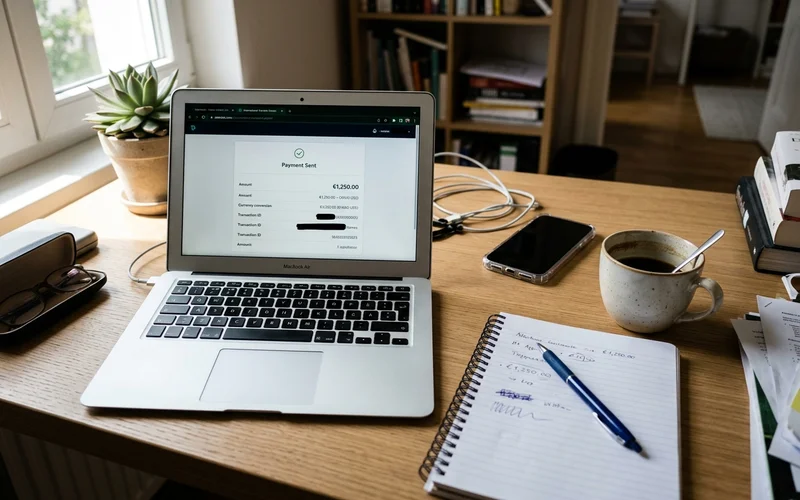
Cards and ATMs
Thai ATMs charge a flat fee — commonly 220 THB — for foreign card withdrawals, regardless of the amount. Practical consequences:
- Withdraw large, withdraw rarely. Ten withdrawals of 5,000 THB costs 2,200 THB in fees. Two withdrawals of 25,000 THB costs 440 THB.
- Always decline dynamic currency conversion. When the machine offers to charge you in pounds, euros or dollars, say no. The rate is worse, every time.
- Some foreign fintech cards reimburse fees. Worth checking your card’s terms before you assume you’re stuck with them.
Once you have a Thai account, the ATM question largely goes away — you transfer in and withdraw domestically for free.
Day-to-day payments
PromptPay and QR payments are how Thailand actually pays for things. Link your Thai account to your phone number and you can pay almost anyone — a landlord, a market stall, a coworking space — by scanning a code, instantly and without fees.
This is genuinely one of the conveniences of living here, and it’s the main reason to prioritise getting a local account even if your income is entirely foreign.
Records worth keeping
Keep a simple log of international transfers in: date, amount, source, and the reference. It takes seconds per transfer.
You’ll want it for visa applications, potentially for tax questions, and for the general reason that reconstructing two years of transfers from memory is unpleasant.