Banking & Money
How to Open a Thai Bank Account in Chiang Mai
Open a Thai bank account in Chiang Mai on various visas — which banks accept which visas, required documents, the agent option and tips.
6 min read
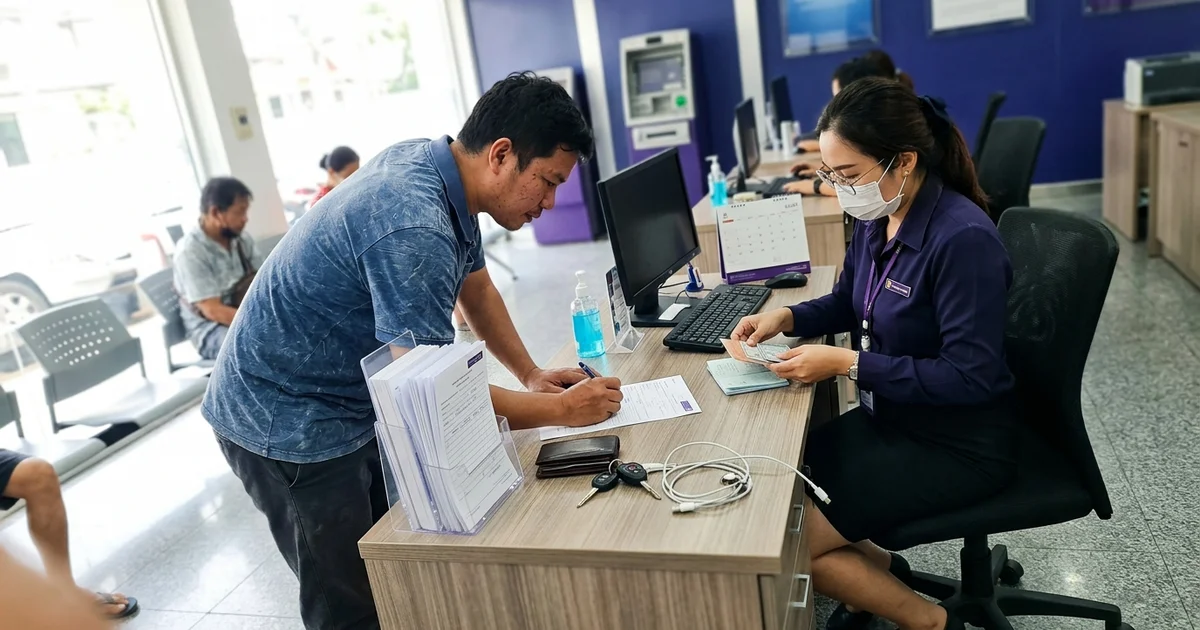
Why this is harder than it should be
Opening a Thai bank account used to be a twenty-minute errand. It isn’t any more. Compliance requirements tightened, banks became cautious about foreign customers, and the outcome now depends on your visa, the branch you walk into, and the individual staff member handling your application.
None of this makes it impossible. It makes it a process worth preparing for rather than attempting casually on a Tuesday afternoon. This guide sits under our banking hub, which covers the wider money picture.
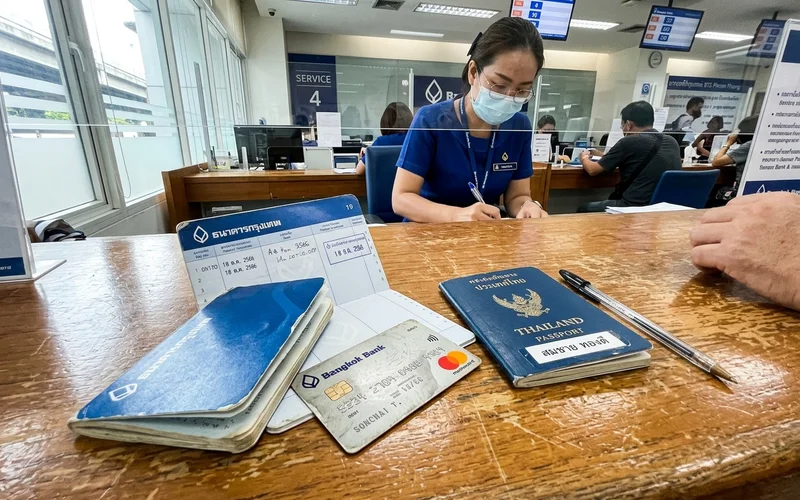
What improves your chances
In rough order of impact:
- A long-stay visa. Retirement, DTV, education, marriage or work — any of these puts you in a different category from a tourist.
- A Certificate of Residency (COR). Issued by immigration, this is the document that most reliably unlocks an account. It costs a small fee and takes a visit.
- A Thai mobile number. Required for the banking app and for verification. Get a SIM on day one.
- A signed lease and TM30 receipt. Backup proof of address if you don’t have a COR.
- The right branch. Central branches near Nimman, the Old City and the big malls handle foreign applications routinely.
- Patience and politeness. This genuinely matters. A calm applicant with a complete folder gets further than a frustrated one.
The banks
| Bank | Notes |
|---|---|
| Bangkok Bank | Longest history with foreign customers, strong international transfer network |
| Kasikornbank (K-Bank) | The app most expats prefer day to day, widely accepted |
| SCB | Common for Thai employers, solid app, broadly similar requirements |
| Krungthai | Government-linked, sometimes stricter for foreigners |
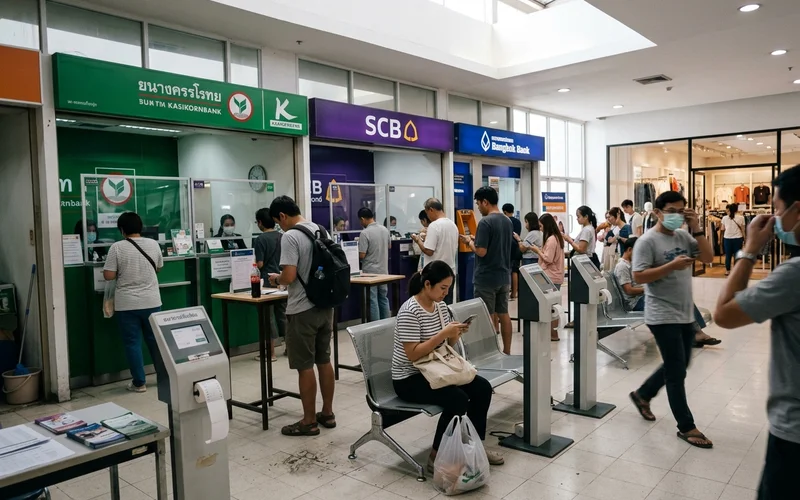
There’s no single “best” — most residents end up with whichever branch said yes first, and many later open a second account elsewhere for the app or the transfer network.
The document folder
Assemble all of this before you go:
- Passport, original, with current visa or entry stamp
- Photocopies of the passport photo page and visa stamp, signed
- Certificate of Residency from immigration, if you have one
- Lease agreement and TM30 receipt as backup
- Thai phone number, active
- Opening deposit in cash — 500 to 2,000 THB is typically enough
- Passport photographs, a couple, just in case
Some branches also ask for a letter from your embassy or a work permit. If the branch requests something you don’t have, ask specifically what would satisfy them and come back with it rather than arguing.
The Certificate of Residency route
If you’ve been refused once or twice, this is the fix. A COR is a short letter from Chiang Mai Immigration confirming your address. You apply at the immigration office with your passport, lease, TM30 receipt and photographs, and collect it after processing.
Banks that were hesitant tend to become straightforward once a COR is on the table. It’s also useful for a Thai driving licence and vehicle purchases, so it’s rarely wasted effort.
The agent option
Some visa agents in Chiang Mai will arrange an account opening for a fee. This is legitimate — they know which branches are currently cooperative and handle the paperwork.
It’s worth considering if you’ve been refused repeatedly and need an account for a visa application. It’s not worth paying for on a first attempt, because a prepared applicant at the right branch usually succeeds unaided.
Once you’re open
Set up the mobile banking app before you leave the branch, and link PromptPay to your phone number. That combination is what makes daily life in Thailand work — rent, bills, market payments and splitting a dinner bill all run through it.
Then read our guide to sending and receiving money for moving funds in and out efficiently.