Cost of Living
Nomad vs Long-Stay: How Chiang Mai Costs Differ
How short-stay nomad costs differ from settled expat life in Chiang Mai — lease maths, setup costs and hidden expenses.
5 min read
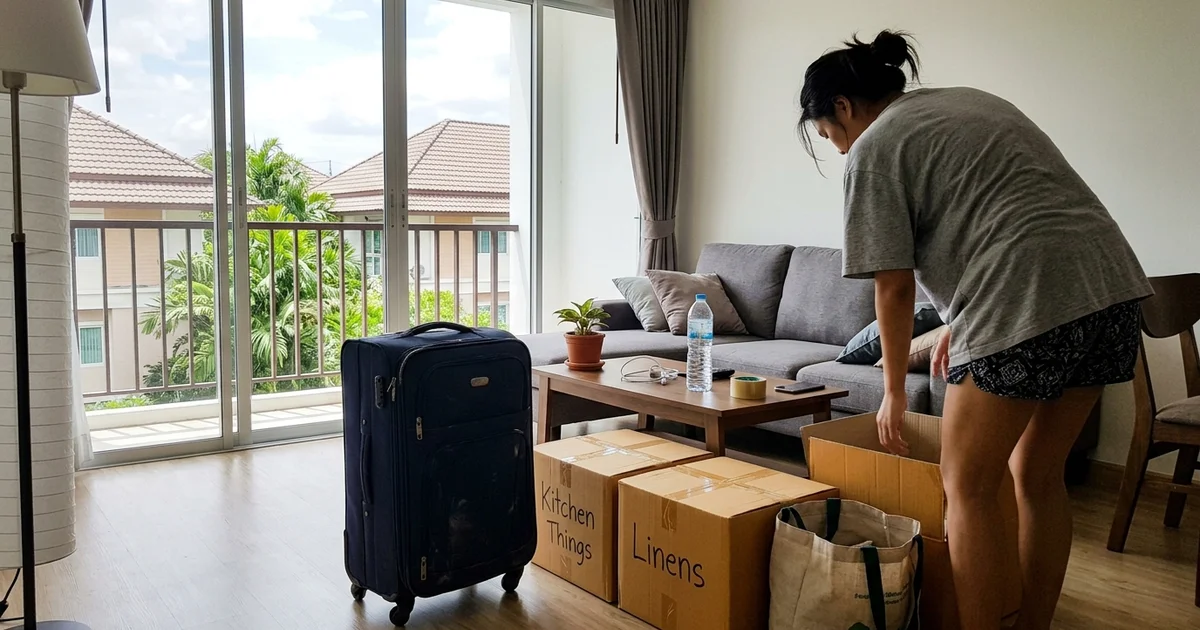
The gap is bigger than discipline
There’s a persistent pattern in Chiang Mai: the person who’s been here three months spends more per month than the person who’s been here three years, despite living a visibly similar life.
It isn’t about spending discipline. It’s structural. Short stays pay a premium at almost every line, and that premium disappears once you commit. Understanding where it sits helps you decide whether to commit at all — which is the real question underneath this comparison, and one our cost of living hub frames in more detail.
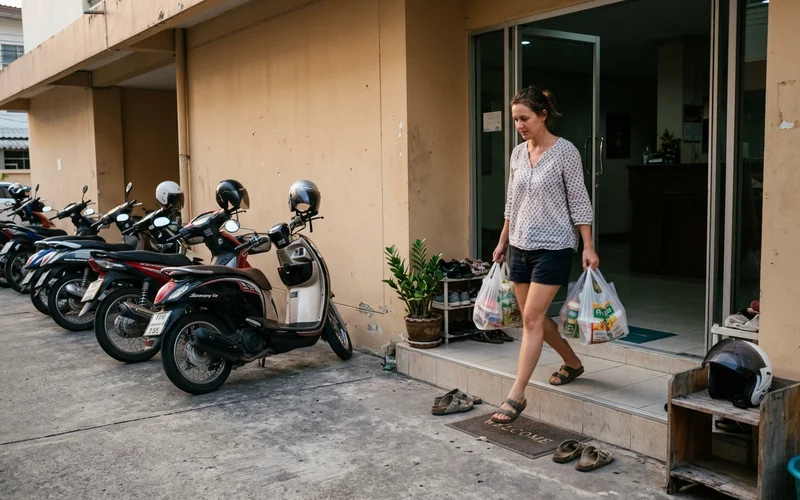
Where the premium sits
| Line | Short-stay nomad | Settled long-stay |
|---|---|---|
| Accommodation | 18,000–28,000 monthly rate | 10,000–16,000 on a lease |
| Furniture | Included, priced in | One-off purchase, then free |
| Transport | 3,500 scooter rental | Owned scooter, ~800 running cost |
| Workspace | 3,500 coworking membership | Home desk plus occasional day pass |
| Eating | More restaurants, fewer groceries | Mixed, market-heavy |
| Utilities | Often bundled at a markup | Metered, direct |
| Typical monthly | 45,000–60,000 | 30,000–40,000 |
Same city, same neighbourhood, roughly the same life. The difference is entirely in how the arrangements are structured.
The lease maths
The single biggest lever is accommodation. A unit that rents at 22,000 THB monthly will typically go for 14,000 THB on a 12-month lease. Over a year that’s 96,000 THB — a substantial sum for the same flat. What that rent buys varies sharply by area, which our breakdown of rent prices by neighbourhood sets out.
Against that, the lease costs you:
- Two months’ deposit tied up (28,000 THB)
- The deposit if you leave early
- Flexibility to change area, city or country
The break-even is roughly six months. Stay less than that and monthly wins on flexibility grounds; stay longer and the lease wins decisively. Our guide to lease versus monthly stays works through the detail.
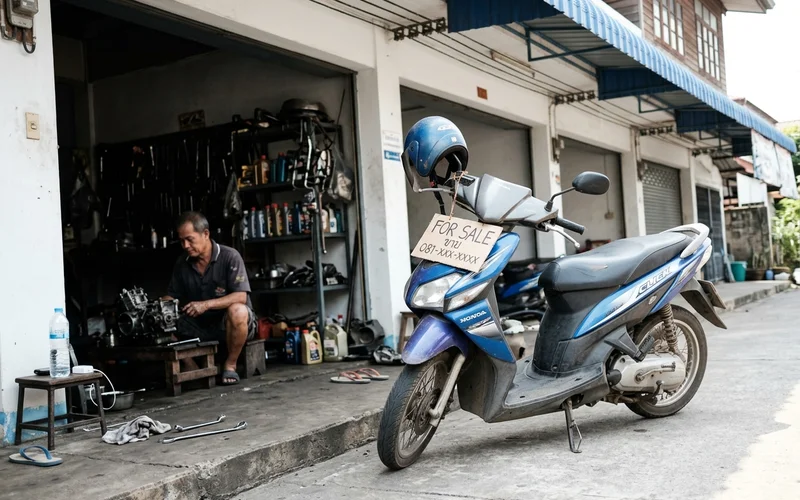
The setup costs of settling
Committing isn’t free. Expect a one-off block of spending in the first two months:
| Item | Typical cost |
|---|---|
| Deposit + advance rent | 3× monthly rent |
| Basic furniture and kitchen kit | 10,000–25,000 |
| Air purifier | 5,000–15,000 |
| Second-hand scooter | 25,000–45,000 |
| Internet installation | 1,000–2,000 |
| Fan, bedding, tools, odds and ends | 5,000 |
Call it 60,000–100,000 THB all in, depending on how furnished the place is and whether you buy or rent a scooter. That’s the price of entry to the lower monthly number, and it pays back within six to nine months.
The costs that hit short stays hardest
Visa churn. Short visa routes that need border runs cost flights, hotels and fees several times a year. Longer routes eliminate that entirely.
Repeated setup. Buying a phone charger, a kettle and a decent knife in every new city is a small cost that recurs endlessly.
Tourist pricing. Not deliberate overcharging, just the default. Short-stay people book through platforms, use ride-hailing more, and eat where it’s easy rather than where it’s good and cheap.
Which are you, honestly?
The useful question is not “which is cheaper” but “which am I actually going to be.”
If you know you’re here for a season, don’t fight it. Take the monthly rental, rent the scooter, use coworking, and enjoy the flexibility you’re paying for.
If you suspect you’re staying, commit earlier than feels comfortable. Most people who settle in Chiang Mai spend their first six months paying short-stay prices for a life they’d already decided to keep.