Getting Around
Renting a Scooter in Chiang Mai
How to rent and ride a scooter safely and legally in Chiang Mai — where to rent, prices, insurance (Por Ror Bor), licence/IDP needs and safety tips.
6 min read
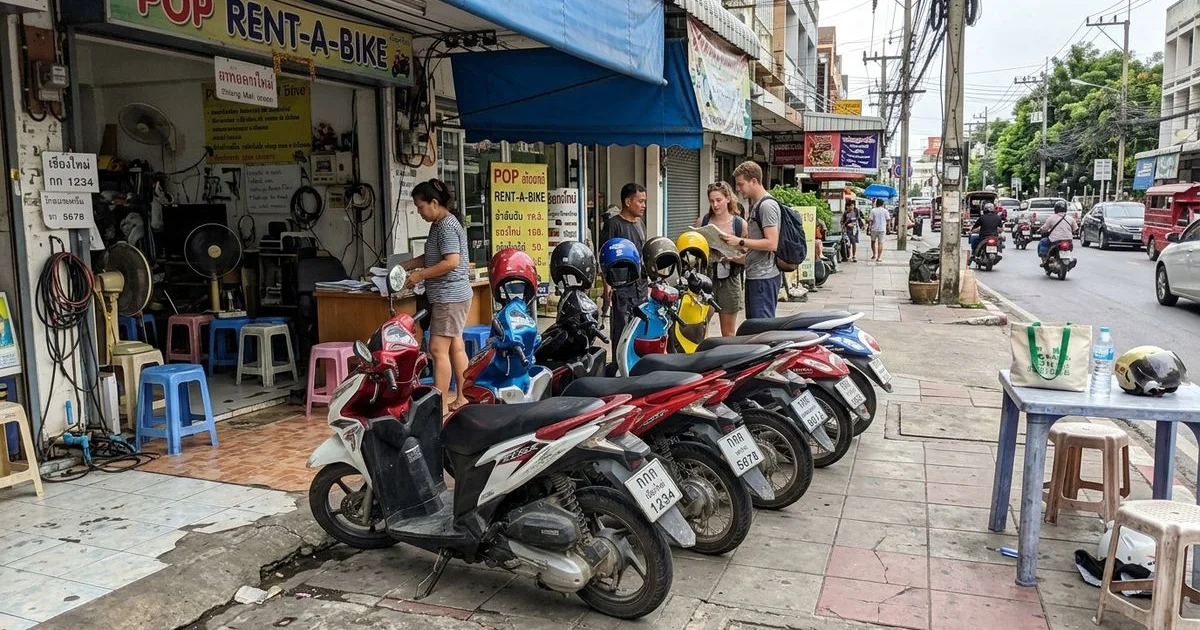
The default way to get around
Most people who stay in Chiang Mai more than a few weeks end up on a scooter. It’s cheap, parking is free and everywhere, and it turns a twenty-minute songthaew journey into a seven-minute ride.
It’s also the single most dangerous thing most visitors do here. Both things are true, and this guide covers doing it properly. It sits under our getting around hub.
The legal position
You need either:
- A Thai motorcycle licence, or
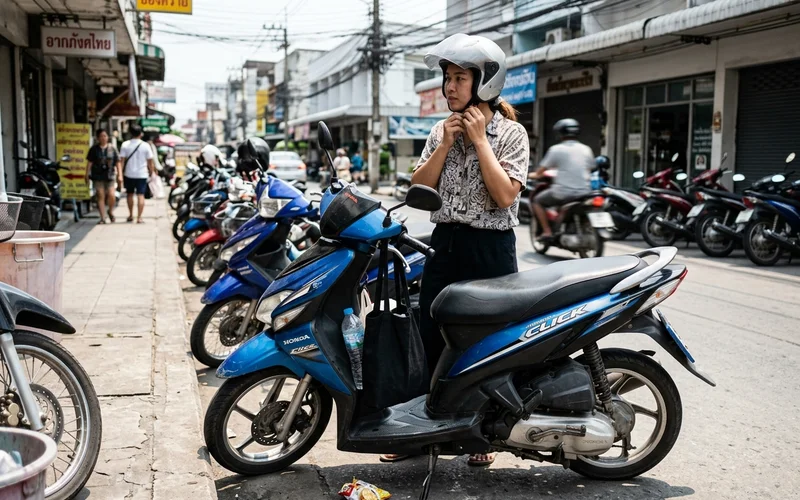
- An International Driving Permit with motorcycle category, carried together with your home licence
An IDP without the motorcycle endorsement doesn’t count. A home car licence doesn’t count. Neither does confidence.
Two consequences of riding without the right licence:
- Checkpoints. Police checkpoints are routine in Chiang Mai and fine unlicensed riders. The fine is modest; the inconvenience isn’t.
- Insurance. This is the serious one. Most travel and medical insurance policies exclude claims arising from riding a motorcycle without a valid licence. An accident that would have been covered becomes a bill you pay yourself.
If you’re staying long term, get a Thai driving licence. The process is straightforward and it removes the problem permanently.
Where to rent, and what it costs
| Type | Daily | Monthly |
|---|---|---|
| Basic automatic (Scoopy, Fino) | 150–200 THB | 2,500–3,200 THB |
| Standard automatic (Honda Click 125) | 200–250 THB | 3,000–4,000 THB |
| Larger automatic (PCX, Forza) | 350–600 THB | 6,000–10,000 THB |
| Manual / semi-auto (for hills) | 300–500 THB | 5,000–8,000 THB |
Rental shops cluster around the Old City gates, Nimman and the tourist areas. Longer rentals are worth negotiating — shops prefer a guaranteed month to twenty separate days.
For anything over three months, buying a used scooter and reselling often works out cheaper.
Before you ride away
Never leave your passport as a deposit. This is the single most common rental dispute in Thailand. A cash deposit or a photocopy is standard practice at reputable shops. Any shop insisting on holding the original should be avoided — you have no leverage in a dispute if they hold your passport.
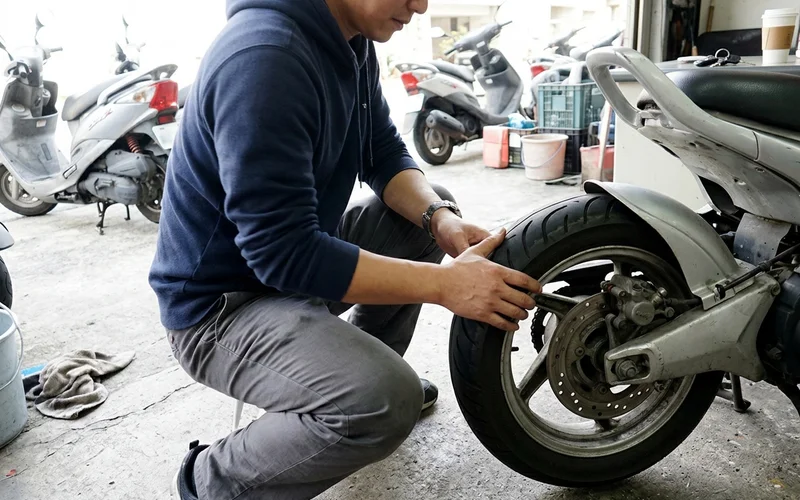
Photograph everything. Walk around the bike filming every scratch and scuff, including close-ups. Send it to yourself with a timestamp. This resolves the “that damage wasn’t there” conversation on return.
Check these yourself:
- Tyres — tread depth and pressure
- Brakes — both, firmly, before leaving the forecourt
- Lights and indicators
- Horn
- Mirrors, adjusted for you
- Fuel level, and note it for return
- Helmet fit — insist on one that actually fits
Confirm in writing: the return date, the fuel policy, the insurance excess, and what happens if the bike is damaged or stolen.
Riding here safely
Chiang Mai’s traffic is manageable by Southeast Asian standards and lethal by Western ones. What actually matters:
- Wear the helmet, every time. Head injuries are what kill riders.
- Cover up. Long trousers and closed shoes. Road rash from a low-speed slide in shorts is genuinely serious.
- Assume you’re invisible. Cars turn across you. Bikes come the wrong way up the inside. Ride defensively.
- Don’t ride at night if you can avoid it, especially at weekends.
- Never ride after drinking. Obvious, and the most common factor in serious incidents involving foreigners here.
- Take the moat road seriously. It’s fast, one-way, and unforgiving.
- Be careful in the wet. The first rain after a dry spell lifts oil off the road surface.
- Start small. Ride around a quiet neighbourhood before taking on Nimman at 6pm.
Fuel and maintenance
Petrol stations are everywhere; roadside bottles and small pumps fill the gaps. A tank costs 80–150 THB and lasts a week of city riding.
If you have a monthly rental, the shop handles servicing. Report anything that doesn’t feel right — brakes, a rattle, a soft tyre — rather than assuming it’s normal.